Between school, homework, team practice and games, most young players don’t have hours to spare. They don’t need hours. A soccer practice schedule for kids works best when it’s built from short, regular sessions at home that fit around everything else.
Short sessions add up
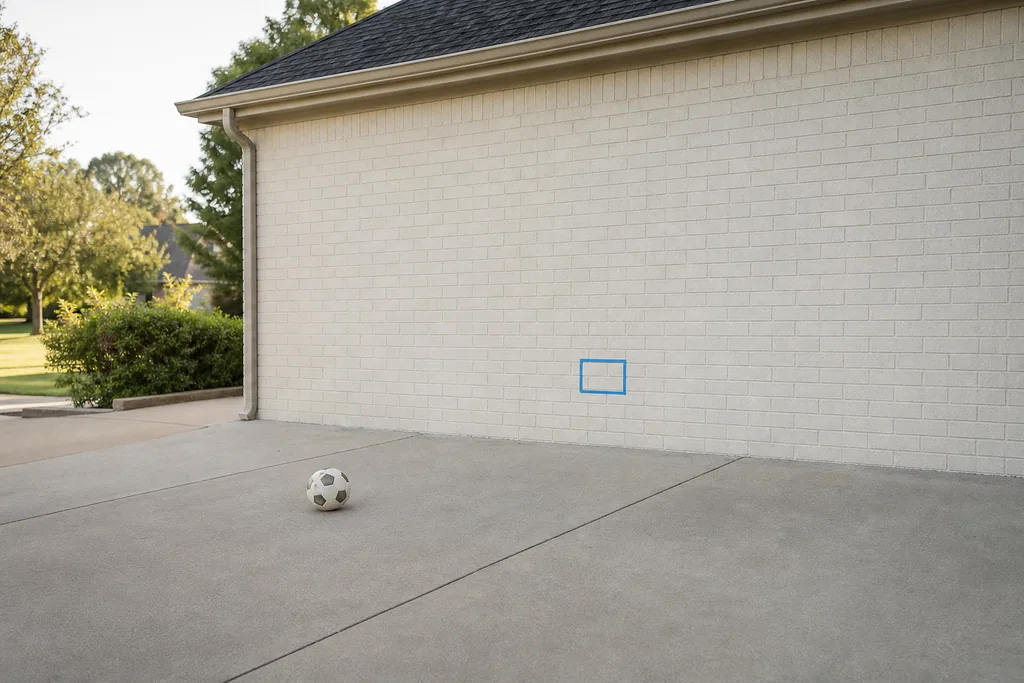
Ten to fifteen minutes with a ball and a wall is a real session. The point of home practice is touches on the ball, and a focused quarter of an hour gives a lot of them. It’s also much easier to say yes to after a long school day. Our article on why to get touches on the ball every day explains why those touches matter.
Find the gaps in the week
Look at the whole week, not one day at a time. Most families have a few quiet windows: after school before homework, after dinner, or a weekend morning. Use the same windows each week so practice becomes routine instead of something to remember.
Here’s one example for a player with two team practices and a weekend game:
- Monday: 15 minutes of wall passing
- Tuesday: team practice
- Wednesday: 10 minutes of footwork
- Thursday: team practice
- Friday: rest
- Saturday: game
- Sunday: 15 minutes on a weekly challenge
Move the pieces around to fit your family. The pattern matters more than the exact days.
Rest is part of training
Rest days aren’t lost days. The body recovers between sessions, and skills have time to settle. A player who is tired, sore or fed up needs a day off more than another drill.
Plan at least one full rest day each week, and more around tournaments or busy school weeks. If your child has pain that doesn’t go away, check with a doctor before practice continues.
Let school come first
Practice works best as a break, not as one more thing competing with homework. A short session after homework is finished can feel like a reward. During exam weeks, keep the habit alive with five minutes of Toe Taps instead of a full session.
Signs your child needs a break
Rest isn’t only something to plan ahead. Sometimes the signs tell you it’s needed now:
- They’re sore in the same place for several days.
- They’re tired at school or having trouble sleeping.
- Practice that used to be fun has become a fight.
- Their touch is getting worse, not better, over a week.
Any of these is a good reason for a few days off. Coming back fresh almost always beats pushing through.
Count the days, not the minutes
It’s easy to judge practice by how long it lasted. A better measure is how many days in the week it happened. Four sessions of fifteen minutes give more touches, and build a stronger habit, than one long session on a Sunday.
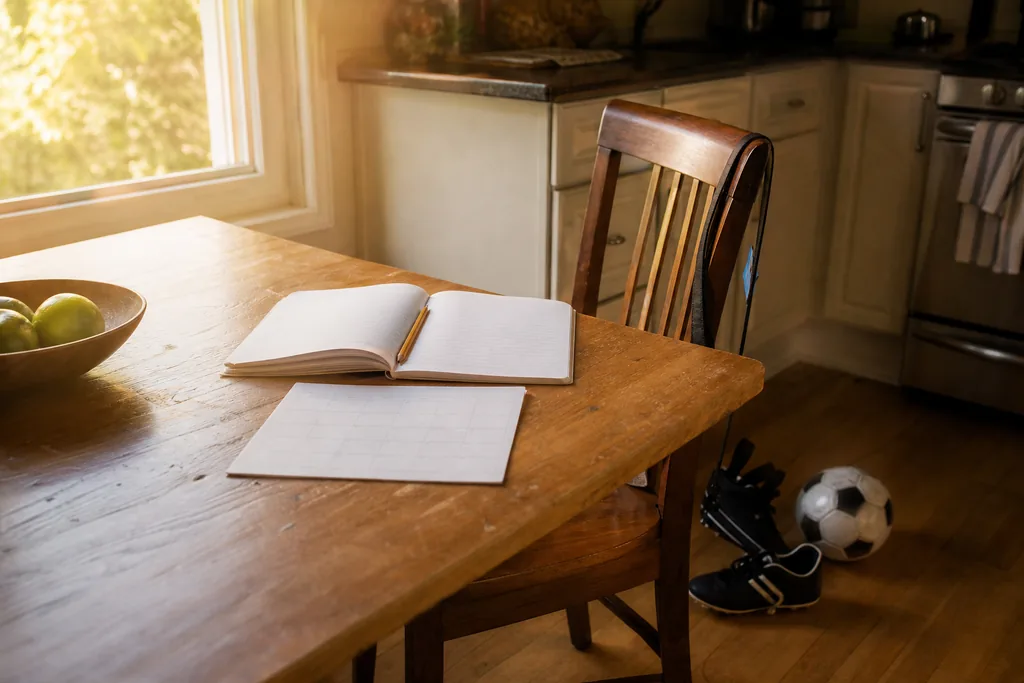
A simple chart on the fridge helps. Let your child mark each session with a tick. At the end of the month, the row of ticks tells the story better than any single session could.
Let them plan their own week
Older kids can plan their own practice. Show them the drills and challenges, then let them choose the days and the order. A plan they made themselves is a plan they’re far more likely to stick to.
Start small, keep it regular and protect the rest day. That balance is what keeps a young player practicing all season.