A soccer rebounder is one of the most versatile pieces of equipment for practicing alone. It sends the ball back like a teammate would, so you can pass, receive and strike for as long as you like. Choosing a soccer rebounder comes down to how you’ll use it and where it will live.
Board or net?
Rebounders come in two main types.
- Boards sit low on the ground and return the ball along the grass. They suit passing and first-touch work, and many players use them like a portable wall. The RapidFire Soccer Rebound Board in our shop is this type.
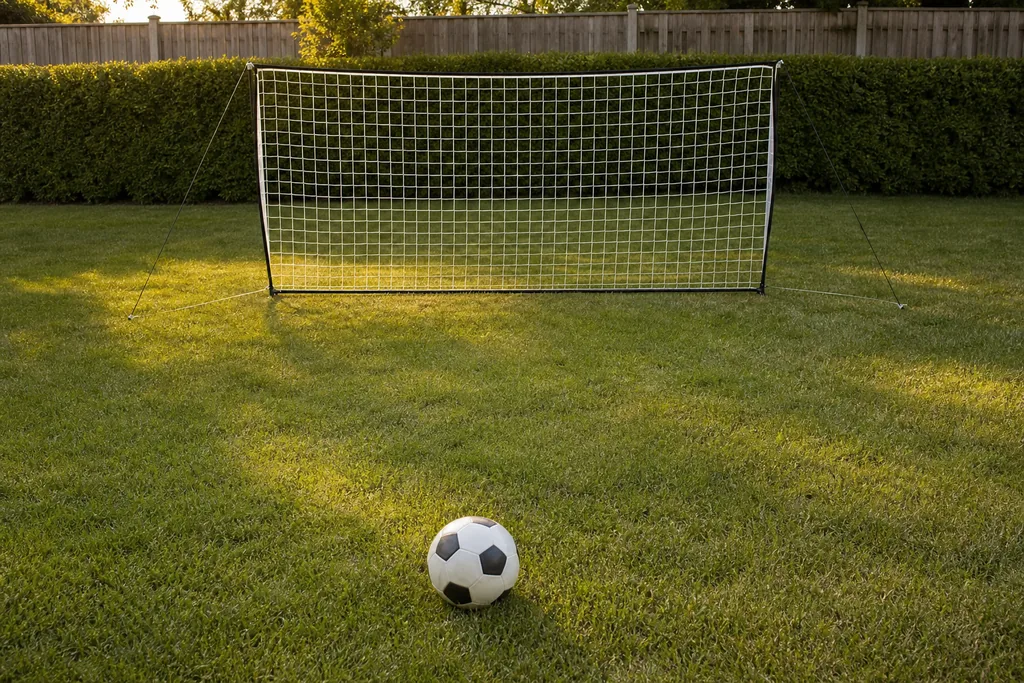
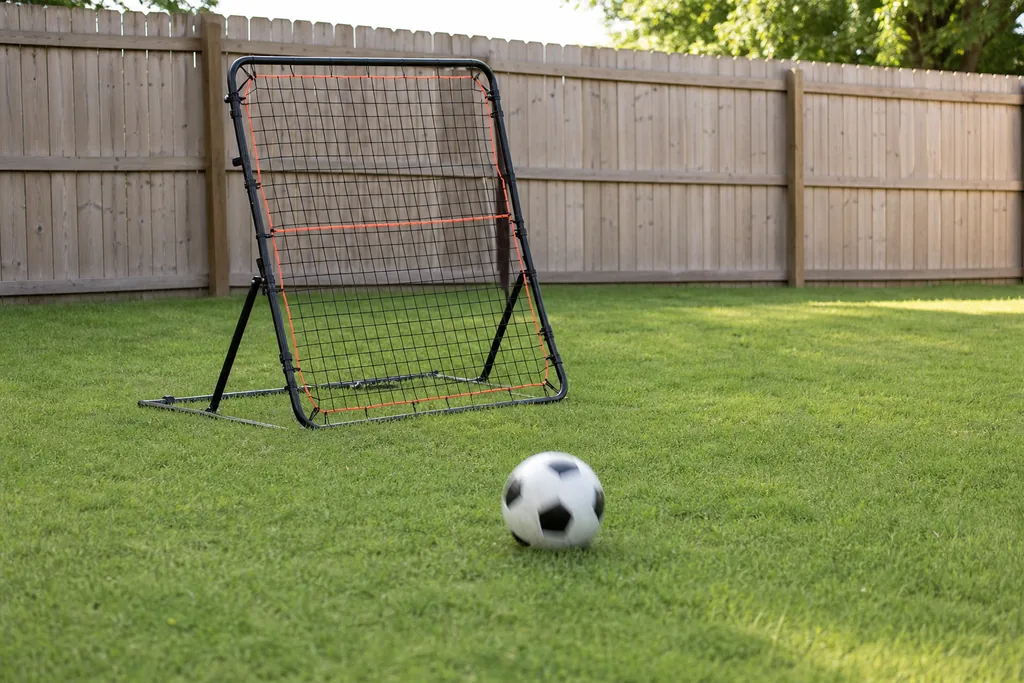
- Nets stretch a springy net across a frame. Many can be tilted to return the ball along the ground or in the air, which adds volleys, thigh control and chest control. The SKLZ Quickster Soccer Trainer is a net rebounder.
If you mostly want passing practice, a board is simple and sturdy. If you want to work on balls in the air too, look at a net that tilts.
Angles and returns
Check how the rebounder sends the ball back. A good return is predictable: pass it firmly and it comes back firmly, in a straight line. Nets with adjustable angles let you change the height of the return, which keeps practice from getting stale as skills improve.
Before you buy, think about who will use it. A younger player needs a rebounder that returns the ball at a speed they can control. An older player may want a firmer return that keeps up with harder passes.
Size, weight and storage
- Size: a wider surface forgives a slightly off-target pass, which helps beginners. A smaller one rewards accuracy.
- Weight: heavier rebounders stay put. Lighter ones may need stakes or something to hold them steady.
- Storage: think about where it lives between sessions. A rebounder that folds flat or fits in the garage is easier to bring out often.
Match it to your drills
We have 15 rebounder drills in our drill library. Good first ones are Basic Two-Touch Passing, One-Touch Passing and Sole Trap and Pass. Once those feel easy, try air balls with Thigh Control and Pass.
Rebounder or wall?
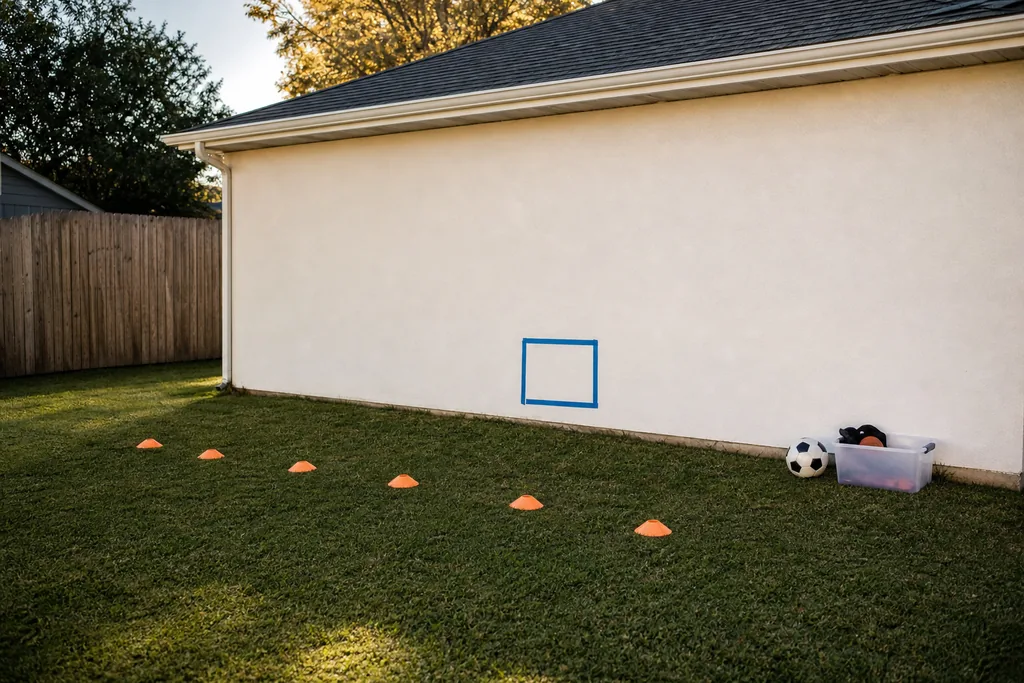
If you have a good wall, you can do most passing drills without a rebounder. Many of our drills come in a wall version and a rebounder version for exactly that reason. A rebounder makes sense when you don’t have a suitable wall, when you want to practice balls in the air, or when you want to practice anywhere in the yard instead of always facing the house.
Some families start with the wall and add a rebounder later, once practice has become a habit. That’s a sensible way to spend money only on gear you’ll use.
Looking after a rebounder
A little care keeps a rebounder working well. Check the frame and any stakes before each session. On a net rebounder, look for loose cords or worn spots, because a slack net gives weak, unpredictable returns. Store it out of the sun and rain when you can, and follow the maker’s instructions for folding and setup.
Your next step
Decide what you want to practice most, check the space you have, and pick the rebounder that fits both. Browse rebounders and other gear in our equipment shop.