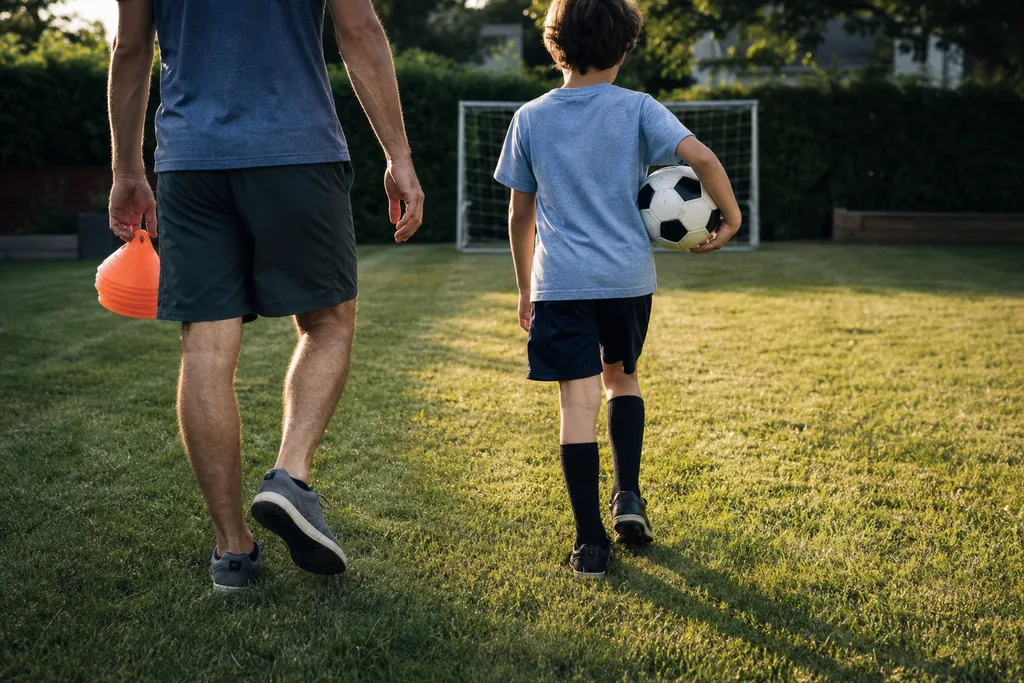
Most parents want the same two things: a child who loves the game and a child who keeps getting better. The hard part is helping without taking over. Encouraging your child in soccer works best when your praise lands on the things they can control, like effort, focus and the reps they put in at home.
Praise what they control
Results depend on a lot of things a young player can’t control: teammates, opponents, the referee, a lucky bounce. Effort belongs to them. When you praise effort, you praise something they can repeat tomorrow.
Try lines like these:
- “You kept going after that missed pass.”
- “I saw you use your left foot today.”
- “You practiced three times this week, and it showed.”
“Did you score?” isn’t a bad question. But if it’s the first question after every game, the message is that goals are the only thing that counts.
Let them lead home practice
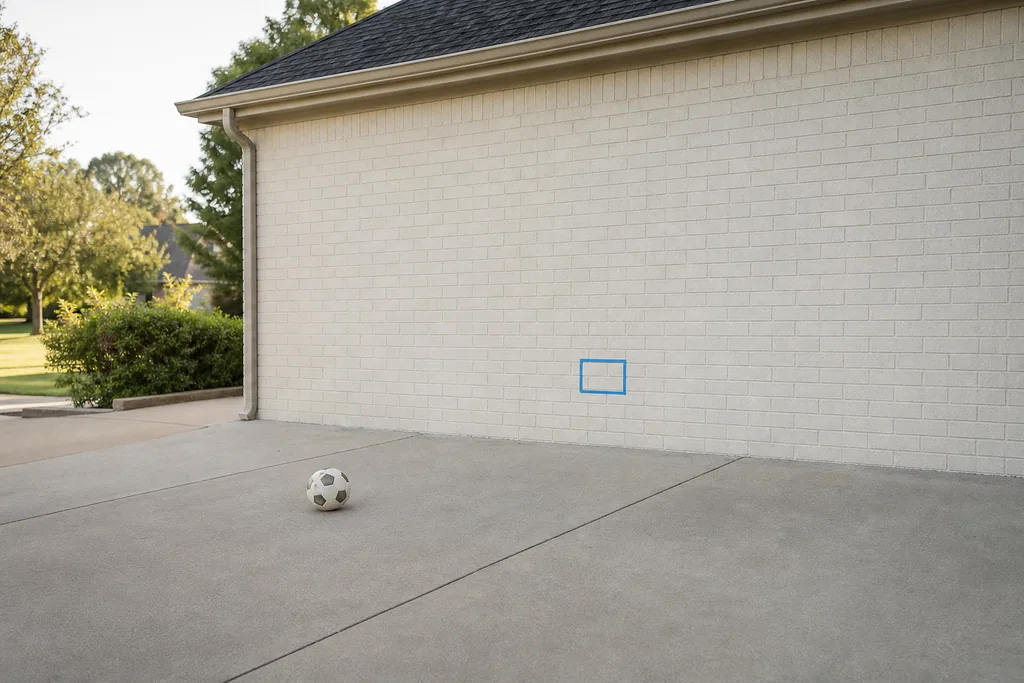
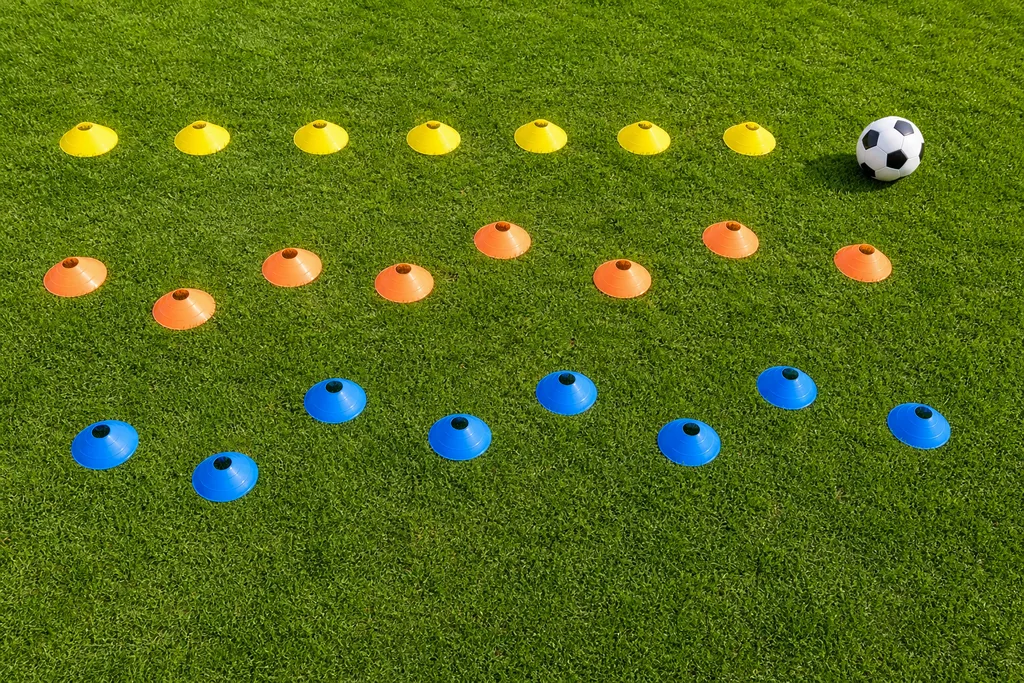
Home practice sticks when it feels like your child’s idea. Instead of handing out a plan, offer a choice: “Wall drill or cones today?” Let them pick from the drill library, or choose this week’s weekly challenge themselves. A player who chooses the drill owns the drill.
Keep your sideline voice for cheering
On game day, cheer as loudly as you like. Coaching from the sideline is different. When a coach says one thing and a parent shouts another, the player has to pick who to listen to, usually in the middle of a play. Leave instructions to the coach and save your questions for the car ride, if your child wants to talk.
Signs you might be pushing too hard
Every family has off weeks, so look for patterns rather than single days.
- Practice only happens when you remind them, and every reminder turns into an argument.
- They look over at you after every mistake in a game.
- They say soccer isn’t fun anymore.
- They hide their challenge scores instead of showing you.
If you see a few of these, step back for a week or two. Let them come to the ball on their own. Most kids do, once the pressure is gone.
Be a partner, not a supervisor
The easiest way to encourage is to join in. Feed passes, chase down missed balls, time a challenge, or try the drill yourself and laugh at your own mistakes. Kids work harder when practice feels like time together instead of time being watched.
When they want to take a break
Sometimes a child says they want to stop practicing, or even stop playing. Before you react, ask why. Maybe they’re tired, maybe a friend left the team, maybe they’re nervous about moving up a level. Often the answer is something small and fixable.
If they need a break, let them take one without making it a big decision. A few weeks away from the ball, with no pressure to come back, is often what brings a player back on their own terms.
Keep the long view
Young players grow and improve at very different speeds. The player who seems behind this season may look completely different in two years. What lasts is the habit of practicing and the enjoyment that keeps it going. For practical ideas, see helping your child practice at home and making backyard practice fun.