Every player has bad games. Passes go astray, a shot sails over, the other team scores twice. Bouncing back after a bad soccer game isn’t about forgetting it. It’s about using it, and that starts with what you do the next day.
Give it a night
Right after a game is a poor time to judge it. You’re tired, the score is fresh and everything feels bigger than it was. Eat, sleep and look at it again the next day. Most games look different in the morning.
Find one thing, not ten
Ask yourself one question: what moment bothered me most? Maybe your first touch kept bouncing away. Maybe an attacker kept beating you on the outside. Maybe your shots went high.
Pick one. Trying to fix everything at once means fixing nothing.
Turn it into a drill
Now give that one thing a home drill.
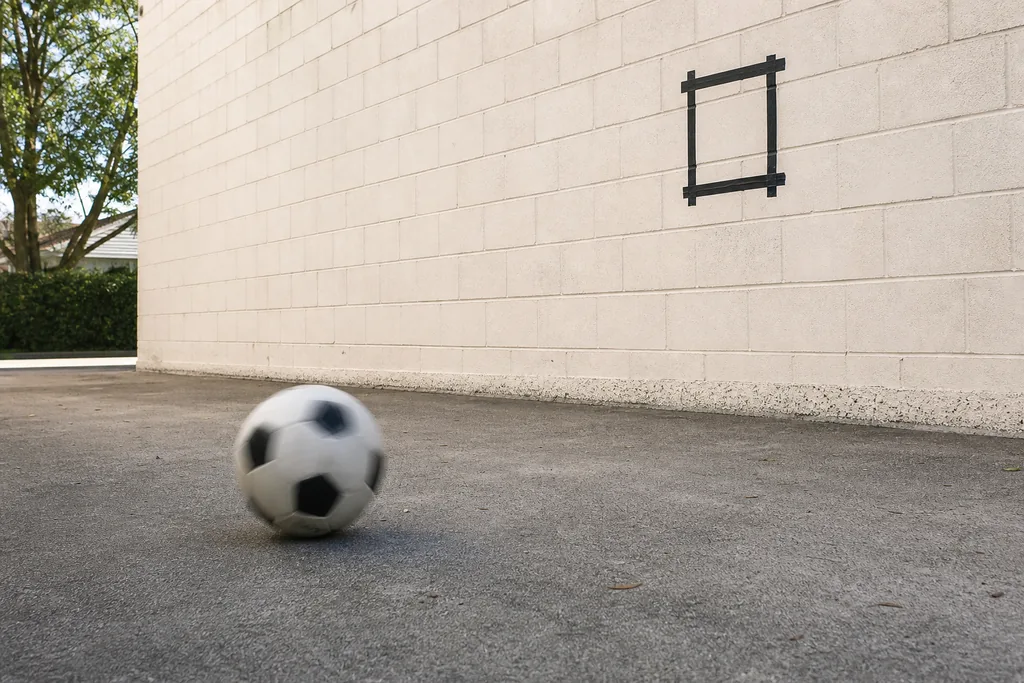
- First touch bouncing away: Basic Two-Touch Wall Passing
- Getting beaten one-on-one: Jockeying Practice
- Shots going high: Laces Strike at a Target
- Losing the ball when you turn: Receive, Turn, and Pass
Do it for a few short sessions that week. By the next game, the moment that bothered you has had real practice behind it.
Notice what went right
Even a tough game has good moments. A clean pass, a tackle you won, a run that opened space. Name two of them. They’re as real as the mistakes, and they tell you what’s already working.
If it’s hard to think of anything, ask a teammate or a parent what they saw. Other people often notice the good things you did, like the run that pulled a defender away or the pass that started an attack, when you only remember the mistakes.
For parents: ask, don’t grade
The car ride home is a hard place for a review. Questions work better than verdicts: “What was the hardest part today?” or “What do you want to practice this week?” Let your child pick the one thing. You can help by setting up the drill.
What a bad game can’t tell you
One game is a small sample. A bad game doesn’t mean you’ve stopped improving, that the coach has given up on you, or that you’re in the wrong sport. Players have off days for all kinds of reasons: a short night’s sleep, a tough opponent, a slippery field, a day when nothing bounced right.
Look for patterns over several games, not one. If the same problem shows up again and again, that’s worth real attention. If it shows up once, it’s often just a bad day.
A simple plan for the week
Here’s one way to use the week after a tough game:
- Day 1: rest, and think about the game once you’ve slept on it.
- Day 2: 15 minutes on the drill that matches your one thing.
- Day 3: team practice. Try the fix in a real setting.
- Day 4: 15 minutes on the same drill, a little faster or with your weaker foot.
- Day 5: a short, fun session with your favorite drill.
By game day you’ve practiced the fix three times, and you have something specific to look for.
Then play the next one
A tough game is information, nothing more. Use it, practice it and go into the next game with one small goal. For more ideas, see our skill pages or try a weekly challenge.