
The ride home after a match can be the best part of a kid’s day or the worst. A lot depends on what gets said in the first few minutes. Talking to your child after a soccer game works best when you ask more than you tell. The right questions help a young player think back on what happened, notice what went well, and pick one thing to practice next. This guide gives you questions to try and a few habits to avoid.
Give it a little time
Some kids want to talk right away. Others need quiet, a snack and a few minutes before they’re ready. Follow their lead. A simple line like “I loved watching you play” is enough to start. It tells them you were there for them, not for the score.
Open questions that get real answers
Questions with a yes or no answer tend to end the chat. Try ones that invite a story instead:
- What was the most fun part of the game?
- Which moment are you proudest of?
- What did you notice about the other team?
- Was there a play you’d like to try again?
- What did your coach ask you to work on?
Focus on effort and choices
Kids can’t control the final score, the referee or how good the other team is. They can control how hard they work and the decisions they make. Questions about those things are fairer and more useful. Ask about a time they chased back to help, or a moment they chose to pass instead of dribble. Praise the effort and the thinking, whatever the result.
Things to leave out
- Replaying every mistake in order.
- Comparing them with teammates or siblings.
- Criticizing the coach, the referee or other players.
- Asking “Why didn’t you shoot?” in a frustrated tone.
If you have concerns, save them for another day, and keep them calm and short. Our article on encouraging without pushing explains how to stay supportive.
Listen more than you talk
When your child answers, let them finish. Repeat back what you heard in your own words, like “So the second half felt faster?” That shows you’re paying attention and often leads them to say more. You’ll learn a lot about how they see the game.
Turn the talk into practice
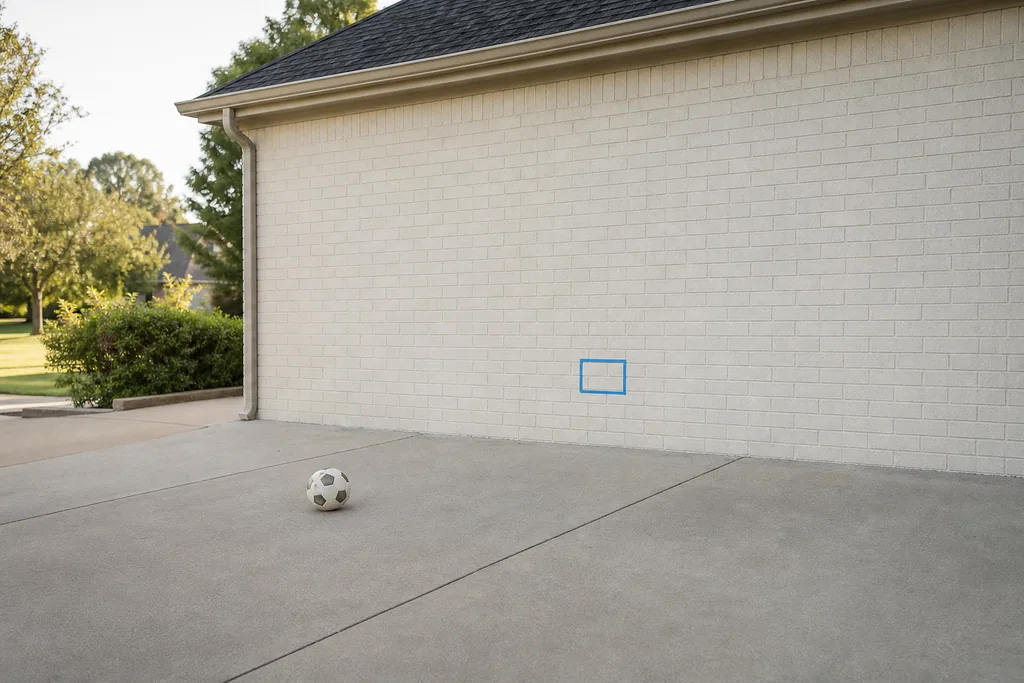
Often a good chat ends with something your child wants to fix. Maybe their passes kept getting cut out, or they struggled to control high balls. That’s a perfect thing to work on at home. Our passing drills and game analysis videos are good places to look. The guide to helping your child practice at home explains how to support them without taking over.
Questions to ask yourself first
Before the conversation starts, it helps to check your own mood. Are you still annoyed about a call or a missed chance? Kids pick up on that fast. Ask yourself whether your next question is for them or for you. If it’s mostly for you, it can probably wait. A calm parent makes it much easier for a child to be honest about how the game really felt.
After a hard game
Losses and rough days happen. Keep the talk short, remind them you’re proud of how they played, and let the subject drop if they want it to. A day or two later, they’ll usually be ready to look back. For more on rough days, see bouncing back after a tough game.